Corona virus symptoms
The most common symptoms of COVID-19 are fever, tiredness, and dry cough. Some patients may have aches and pains, nasal congestion, runny nose, sore throat or diarrhea. These symptoms are usually mild and begin gradually. Also the symptoms may appear 2-14 days after exposure.

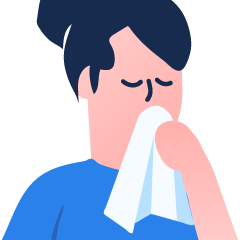
Coughing and sneezing
If your cough lasts between three and eight weeks, improving by the end of that period, it’s considered a subacute cough. A sneeze is a powerful, involuntary expulsion of air. Sneezing can also be triggered by viruses.
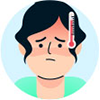
Fever
In general, if you’re an adult and your temperature is above 100.4°F (38°C), you have a fever. A fever is the body’s way of battling an illness.Fevers are usually brought on by a virus or bacterial infection.

Sore Throat
A sore throat is a painful, dry, or scratchy feeling in the throat. Pain in the throat is one of the most common symptoms. Most sore throats are caused by infections, or by environmental factors like dry air.

Headache
A headache is a very common condition that causes pain and discomfort in the head. Headaches can sometimes be mild, but in many cases, they can cause severe pain that makes it difficult to concentrate at work and perform other daily activities.
Difficulty in breathing
Shortness of breath can make it hard to breathe deeply. You may feel winded, or as if you can’t get enough air into your lungs. Known clinically as dyspnea, shortness of breath is one of the hallmark symptoms of COVID-19

Body ache
While typical symptoms of COVID-19 include a fever, dry cough etc, body aches are the next most common symptom, according to WHO. The agency reported in February that 14% of covid patients experience body aches.